| News of the Section for Agriculture 05.2026
|
|
|
|
|
|
|
|
|
|
| --- Deutsche Version siehe weiter unten
|
|
|
|
|
|
|
|
|
|
|
|
|
|
|
|
|
Invitation
to the DOK trial field visit day on 17 June 2026
Meeting point: 9:45 am CEST, Birsmattehof, 4106 Therwil, participation free of charge
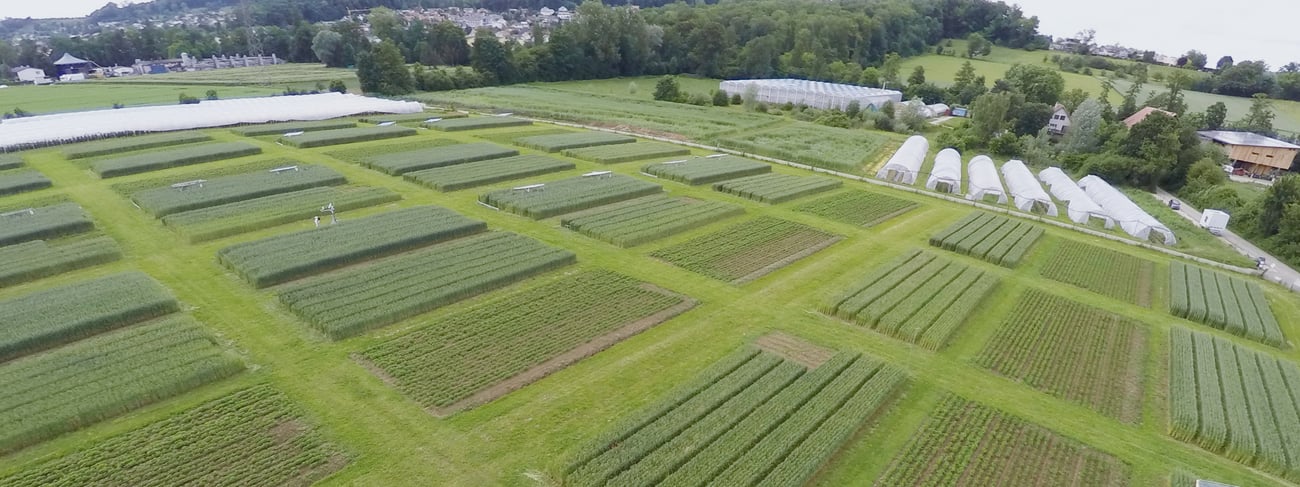
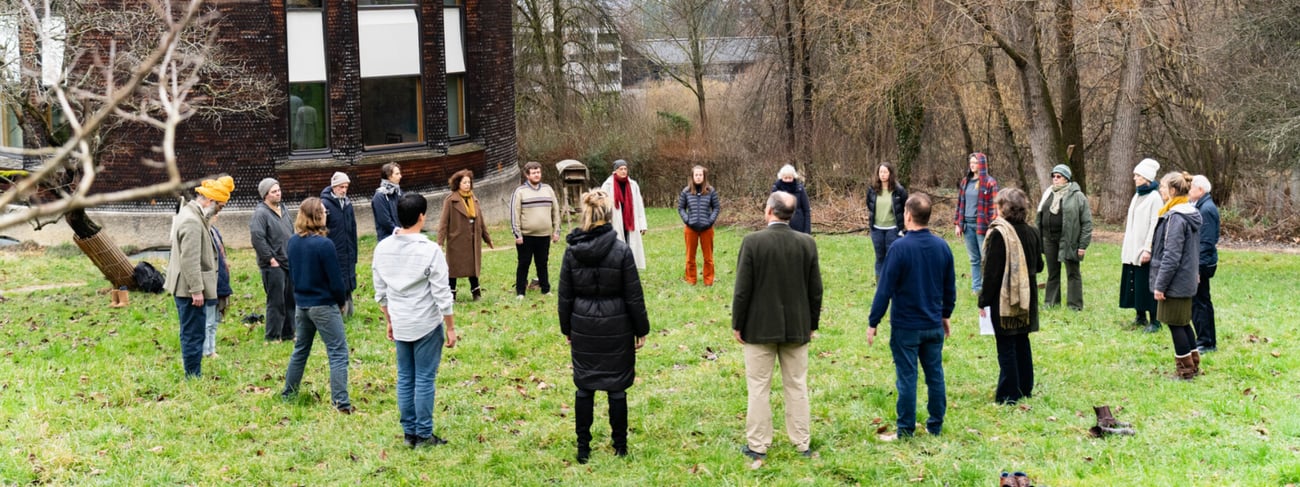
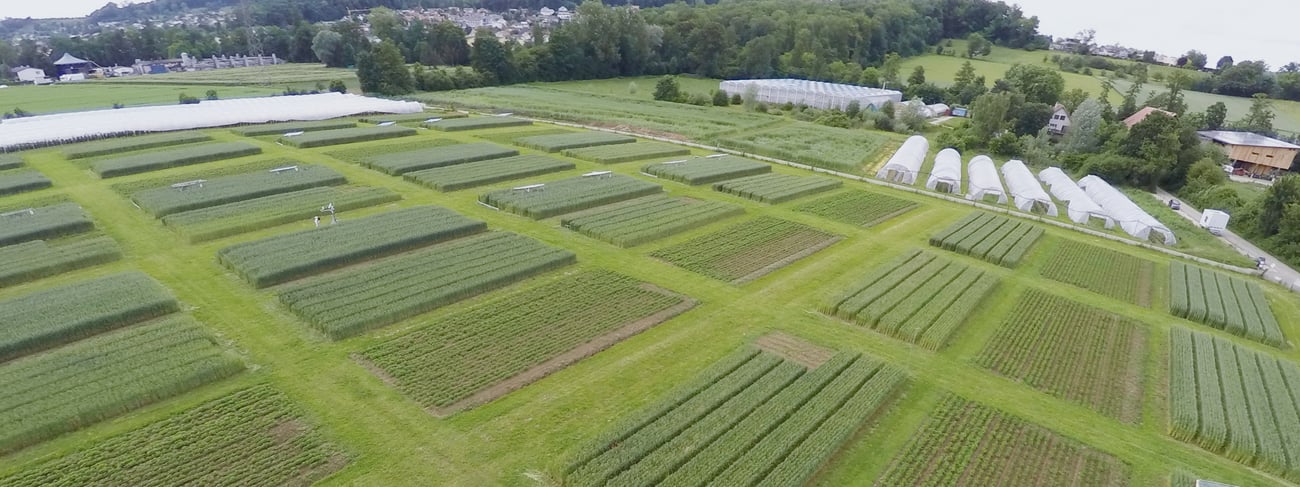
For over 40 years, the DOK trial, the world’s most important long-term field experiment, has been comparing biodynamic, organic, and conventional farming systems under identical conditions. Over time, it has become clear that in the biodynamic variant, the carbon content in the soil increases
significantly. As a result, soil fertility rises and humus formation is sustainably promoted. This is all the more remarkable given that a global trend is emerging in the opposite direction: many arable soils are losing fertility over time.
See these impressive results for yourself: you are warmly invited to visit the DOK trial in Therwil. On the public visit day on 17 June, the most important findings will be presented (in German), and you will have the opportunity to ask your questions directly on site.
The Section for Agriculture is organizing a group so that we can attend the visit day together and receive a guided tour with a focus on biodynamics. Would you like to be part of this group? Then please register by 15 May at sektion.landwirtschaft@goetheanum.ch or call our office on Mondays, Tuesdays, or Fridays at +41 61 706 42 12. We look forward to your
registration.
|
|
|
|
|
|
|
|
|
|
|
|
|
| New season of the Living Farms podcast
Biodynamics and holistic agroecology
With the third season of our podcast Living Farms, we turn our attention to holistic agroecology. Together with guests from biodynamics and other holistic approaches, we explore agriculture as a living, sustainable process, especially at a time when global agricultural systems are under significant pressure.
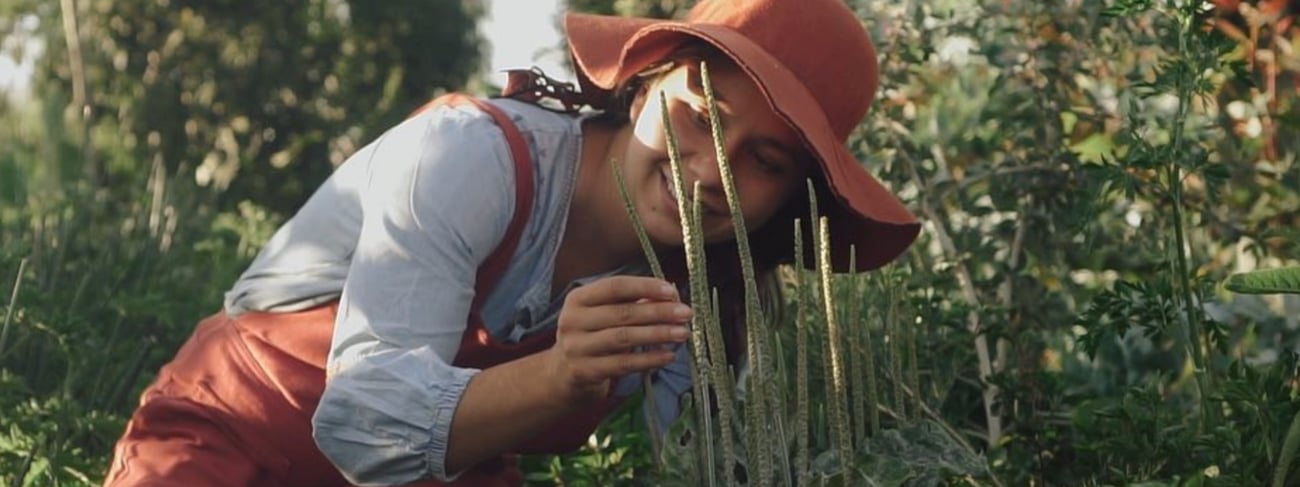
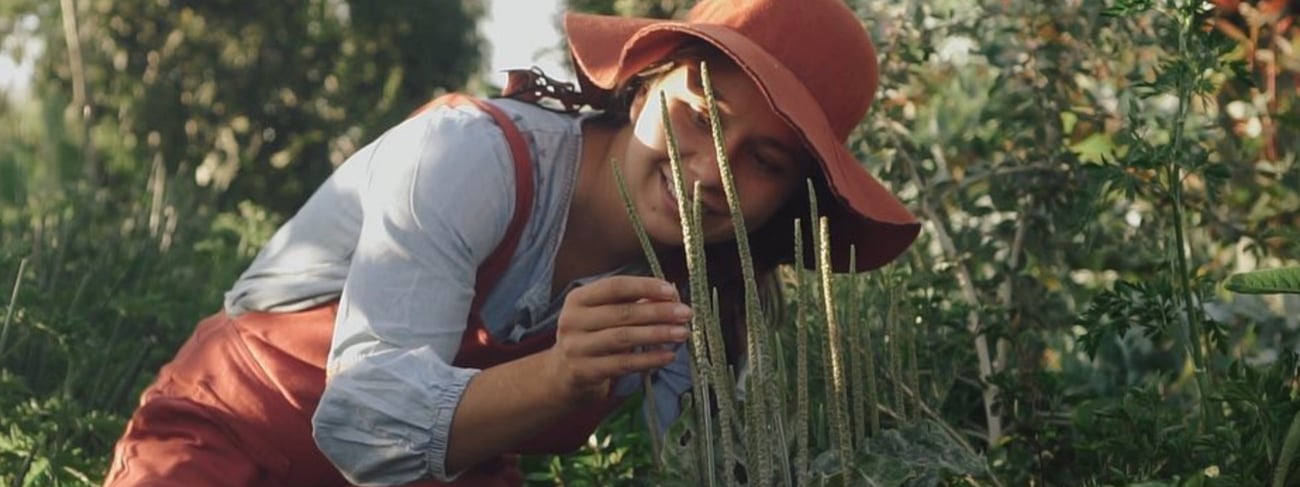
The season opens with the approach of syntropic agriculture, featuring Brazilian agronomist Natalia Muguet. She speaks about her journey from conventional agriculture to an approach based on diversity, observation, and cooperation with nature. Together, we dive into key principles, from multi-layered planting systems and biomass management to the role of medicinal plants in ecology and health.
The Living Farms podcast is also available on Spotify, Apple Podcast, Deezer, and YouTube.
|
|
|
|
|
|
|
|
|
|
|
Biodynamics and syntropic agriculture
Online session, 11 May 2026, 1:30 pm CEST Following each new podcast episode, an
online session will take place for shared in-depth exploration. The series begins with the episode on syntropic agriculture featuring Natalia Muguet. She is a syntropic farmer and consultant from Brazil and a former student of Ernst Götsch.
We invite you to explore together with a group of experienced farmers how biodynamic medicinal plant cultivation can benefit from syntropic cultivation approaches.
We will meet via the new online platform "Biodynamic Network." We can connect in advance to exchange ideas and share relevant literature: Connect now!
|
|
|
|
|
|
|
Experimental learning spaces for
deepening biodynamics
New learning format
We aim to redesign and revitalize learning in biodynamic agriculture. Our goal is a practice-oriented, individualized, collaborative, and dynamic approach in which learners take the central role. The program content is not yet finalized but will take shape through your registration, your engagement, and your contributions. Are you curious?
|
|
|
|
|
|
|
Exploring the Michael Letter
Next online meeting: 27 May 2026, 2:00–3:00 pm CEST
We will continue the online meetings that began before the Agriculture Conference 2026, now turning to the next Michael Letter, "The Future of Humanity and the
Activity of Michael," in preparation for the Agriculture Conference 2027. Everyone is warmly invited to deepen into this text together.
|
|
|
|
|
|
|
|
|
|
|
New tools for our Biodynamic Network
Try them now!
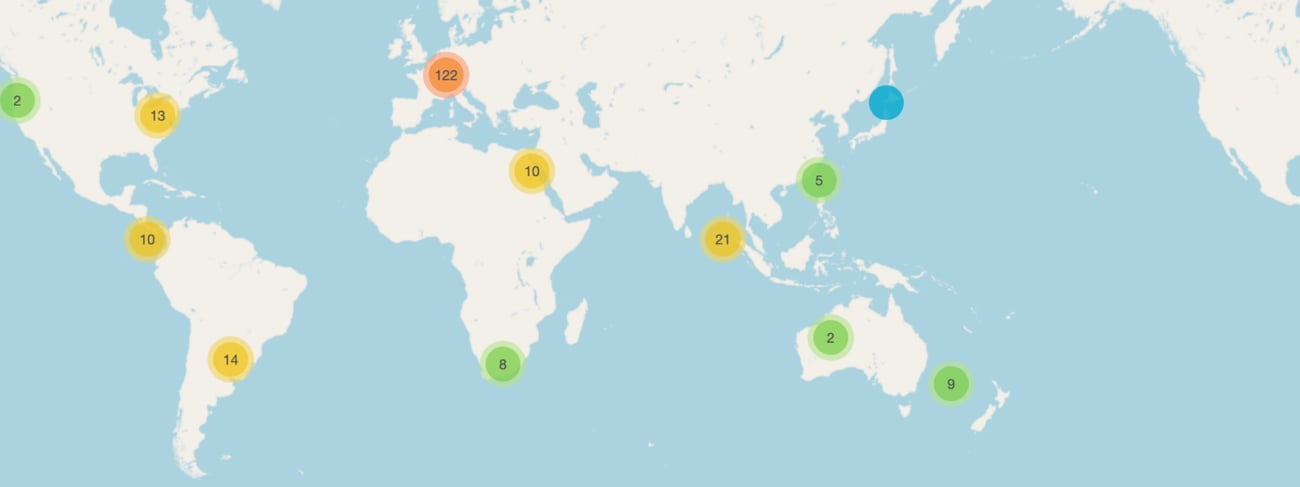
The Biodynamic Network thrives on exchange, your questions, and your shared vision. To make this collaboration even smoother, we have introduced several technical enhancements:
• Access via app and browser: install the app now
• Translation function: choose your preferred language and translate posts with a single click
• Video calls: call directly within the network or plan a larger meeting in advance
• Document sharing: collaborate on documents online and share them
Information and instructions on the new tools can be found in the Knowledge Hub under "Guides." A link is also available on the homepage.
Please help spread the word: do you know colleagues who are not yet part of the network? Invite them to join the "Biodynamic Network."
|
|
|
|
|
|
|
|
|
|
|
The effect behind taste: exploring vitality
New article by Maike Ehrlichmann and Dr. Jasmin Peschke
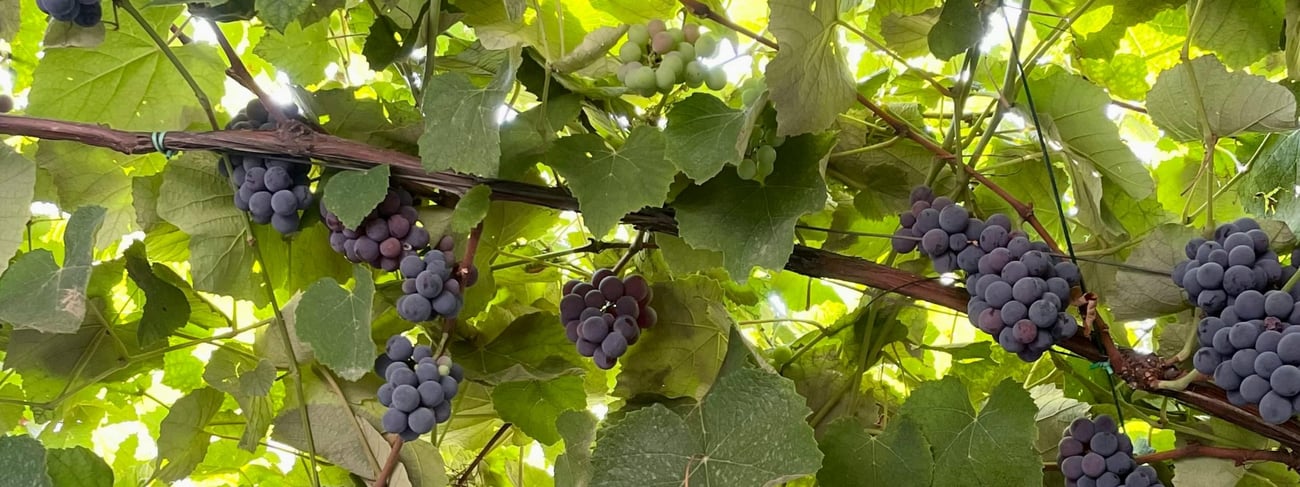
Why is biodynamic quality so well received in the wine sector? One possible answer lies
not only in the vineyard but also in the glass, in the way wine is perceived and experienced. This is the argument made by Christelle Pineau and Jean Foyer in their article "Tasting life and energy with the body."
At the center is the observation that biodynamic wines are often described as especially "alive" during tastings, and that they are convincing precisely because, in the wine sector, there is a strong culture of consciously valuing and taking such experiences seriously.
|
|
|
|
|
|
|
Dynamic Nutrition Network
Next online meeting: 4 June 2026, 2:00 to 3:30 pm CEST
What is vitality? What are vital foods? And how do we explain the qualities of biodynamic vital foods to our customers, clients, and
patients?
Dr. Paul Doesburg, researcher and expert in biocrystallization, will speak about the concept of vitality and methods for making this aspect of food quality visible. There will also be ample space for questions and answers, shared learning, and exchange.
The online session will be held in English. If you would like to organize translation, please contact jasmin.peschke@goetheanum.ch
|
|
|
|
|
|
|
SUSTAINABLE DEVELOPMENT DEPARTMENT
|
|
|
|
|
Johannes Kronenberg becomes co-head of the Section for Social Sciences
The ‘Sustainable Development’ department is being repositioned
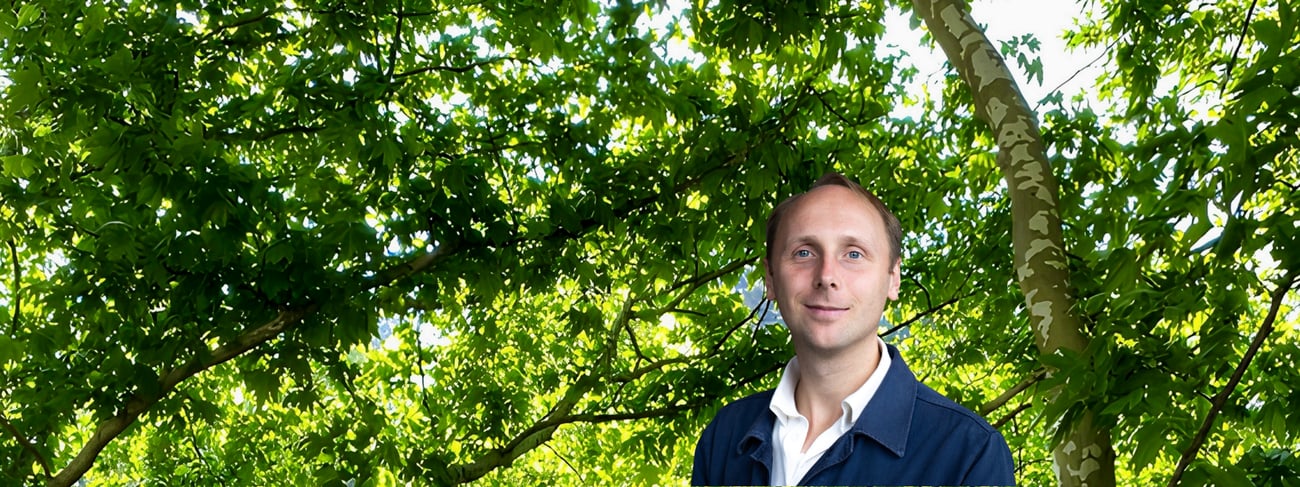
In recent years, Johannes Kronenberg has played a decisive role in shaping the sustainability work of the Section for Agriculture. Following his contribution to the Agriculture Conference 2021 "Breathing with the Climate Crisis," he established the "Sustainable Development" department in 2023 and published the comprehensive work "On the Earth We Want to Live – Anthroposophy’s Contributions to Sustainable Development" with the renowned Springer Nature publishing house. He also conceived the World Goetheanum Forum 2025 in SEKEM under the title "Re-think, Re-feel, Re-do Sustainable Development." His work explores sustainable development as a connection between ecological, social, and economic issues, inner development, and a cultural-spiritual dimension.
From September 2026, Johannes Kronenberg, along with the "Sustainable Development" department, will move to the Section for Social Sciences, where he will take on the role of co-head. We sincerely thank Johannes Kronenberg for his great commitment and look forward to continued collaboration.
|
|
|
|
|
Upcoming events at a glance
|
|
|
|
|
|
|
|
|
|
|
|
|
|
|
|
|
|
|
|
|
| Einladung zum Besuchstag des
DOK-Versuchs am 17. Juni 2026
Treffpunkt: 9:45 Uhr, Birsmattehof, 4106 Therwil, Teilnahme kostenlos
Seit über 40 Jahren vergleicht der weltweit bedeutendste Langzeit-Feldversuch, der DOK-Versuch, biodynamische, organische und konventionelle Anbausysteme unter identischen Bedingungen. Über die Zeit zeigte sich, dass in der biodynamischen Variante der Kohlenstoffgehalt im Boden deutlich zunimmt. Dadurch steigt die Bodenfruchtbarkeit und der Humusaufbau wird nachhaltig gefördert. Das ist umso bemerkenswerter, als sich weltweit ein gegenteiliger Trend abzeichnet: Viele Ackerböden verlieren im Laufe der Zeit an Fruchtbarkeit.
Macht euch selbst ein Bild von diesen eindrucksvollen Ergebnissen: Wir laden euch herzlich ein, den DOK-Versuch in Therwil zu besuchen. Am öffentlichen Besuchstag am 17. Juni werden die wichtigsten Erkenntnisse vorgestellt – und ihr habt die Gelegenheit, eure Fragen direkt vor Ort zu stellen.
Die Sektion für Landwirtschaft organisiert eine Gruppe, damit wir gemeinsam am Besuchstag teilnehmen und eine Führung mit Fokus auf Biodynamik erhalten können. Möchtet ihr Teil dieser Gruppe sein? Dann meldet euch gerne bis zum 15. Mai unter sektion.landwirtschaft@goetheanum.ch oder ruft montags, dienstags oder freitags in unserem Büro an: +41 61 706 42 12. Wir freuen uns auf eure Anmeldung!
|
|
|
|
|
|
|
|
|
|
|
|
|
Neue Staffel des Living Farms Podcast
Biodynamik und ganzheitliche Agrarökologie
Mit der dritten Staffel unseres Podcasts Living Farms richten wir den Blick auf ganzheitliche Agrarökologie. Gemeinsam mit Gästen
aus Biodynamik und anderen ganzheitlichen Ansätzen erkunden wir Landwirtschaft als lebendigen, nachhaltigen Prozess – gerade in einer Zeit, in der globale Agrarsysteme stark unter Druck stehen.
Den Auftakt macht der Ansatz der syntropischen Landwirtschaft mit der brasilianischen Agronomin Natalia Muguet. Sie erzählt von ihrem Weg von der konventionellen Landwirtschaft hin zu einem Ansatz, der auf Vielfalt, Beobachtung und Zusammenarbeit mit der Natur basiert. Gemeinsam tauchen wir in zentrale Prinzipien ein – von mehrschichtigen Pflanzsystemen über Biomasse-Management bis hin zur Rolle von Heilpflanzen für Ökologie und Gesundheit.
Der Living Farms Podcast ist auch hörbar bei Spotify, ApplePodcast, Deezer und YouTube.
|
|
|
|
|
|
|
|
|
|
|
Biodynamik und syntropische Landwirtschaft
Online-Austauschsitzung: 11. Mai 2026, 13:30 Uhr
Im Anschluss an jede neue Podcast-Folge (siehe Beitrag oben) findet eine Onlinesitzung zur gemeinsamen Vertiefung statt. Den Auftakt macht die Folge zur syntropischen Landwirtschaft mit Natalia Muguet. Sie ist syntropische Landwirtin und Beraterin aus Brasilien und ehemalige Studentin von Ernst Götsch.
Wir laden euch ein, gemeinsam mit einer Gruppe erfahrener Landwirt:innen zu erkunden, wie der biodynamische Heilpflanzenanbau von syntropischen Anbauansätzen profitieren kann.
Wir treffen uns über die neue Online-Plattform «Biodynamic Network». Vernetze dich schon im Voraus, tausche Ideen aus und teile passende Literatur! Jetzt vernetzen!
|
|
|
|
|
|
|
Experimentelle Begegnungsräume zur Vertiefung der Biodynamik
Neues Lernformat
Wir wollen das Lernen in der biodynamischen Landwirtschaft neu gestalten und beleben. Unser Ziel ist ein praxisorientierter, individueller, gemeinschaftlicher und dynamischer Ansatz, bei dem die Lernenden die
Hauptrolle übernehmen. Der Programminhalt steht noch nicht endgültig fest, sondern wird durch eure Anmeldung, euer Engagement und eure Beiträge Gestalt annehmen. Haben wir eure Neugier geweckt?
|
|
|
|
|
|
|
Erkundung des Michaelbriefs
Nächstes Onlinetreffen: 27. Mai 2026, 14 bis 15 Uhr
Die bereits vor der Landwirtschaftlichen Tagung 2026 erfolgten Onlinetreffen zur Erarbeitung des Michaelbriefs wollen wir fortsetzen, nun mit dem nächsten Michaelbrief «Menschheitszukunft und Michael-Tätigkeit» in Vorbereitung auf die Landwirtschaftliche Tagung 2027. Alle sind herzlich willkommen, um sich gemeinsam in diese Lektüre zu vertiefen.
|
|
|
|
|
|
|
|
|
|
|
Neue Tools für unser Biodynamic Network
Jetzt ausprobieren
Das Biodynamic Network lebt vom Austausch, von euren Fragen und eurer gemeinsamen Vision. Damit diese Zusammenarbeit noch reibungsloser funktioniert, haben wir ein paar technische Erweiterungen vorgenommen.
- Zugang per App und Browser: Jetzt die App installieren!
- Übersetzungs-Funktion: bevorzugte Sprache wählen und Posts übersetzen lassen
- Videoanrufe: Video Call direkt im Netzwerk oder grösseres Meeting im Voraus planen
- Dokumente teilen: gemeinsam online an Dokumenten arbeiten und diese teilen
Infos und Anleitungen zu den neuen Tools findet ihr im Knowledge Hub unter «Guides». Einen Link dazu gibt es auch auf der Homepage.
Weitersagen ausdrücklich erwünscht: Kennt ihr Kolleg:innen, die noch nicht dabei sind? Ladet sie herzlich zur Plattform «Biodynamic Network» ein.
|
|
|
|
|
|
|
|
|
|
|
Die Wirkung hinter dem Geschmack: Lebendigkeit erforschen
Neuer Artikel von Maike Ehrlichmann und Dr. Jasmin Peschke
Warum kommt biodynamische Qualität im Weinbereich so gut an? Eine mögliche Antwort liegt nicht allein im Weinberg, sondern ebenso im Glas – in der Art, wie Wein wahrgenommen und erlebt wird. So argumentieren Christelle Pineau und Jean Foyer in ihrem Artikel «Tasting life and energy with the body».
Im Zentrum steht die Beobachtung, dass biodynamische Weine in der Verkostung häufig als besonders «lebendig» bezeichnet werden – und gerade deshalb überzeugen, weil es im Weinbereich eine ausgeprägte Kultur gibt, solche Erfahrungen bewusst wertzuschätzen und ernst zu nehmen.
|
|
|
|
|
|
|
Dynamic Nutrition
Network
Nächstes Onlinetreffen: 4. Juni 2026, 14:00–15:30 Uhr Was ist Vitalität? Was sind vitale Lebensmittel? Und wie erklären wir unseren Kund:innen, Klient:innen und Patient:innen die Eigenschaften biodynamischer vitaler Lebensmittel? Dr. Paul Doesburg, Forscher und Experte für Biokristallisation, wird über das Konzept der Vitalität sprechen und über Methoden, mit denen sich dieser Aspekt der Lebensmittelqualität veranschaulichen lässt. Es wird auch genügend Raum für Fragen und Antworten, gegenseitiges Lernen und Austausch geben. Die Onlinesitzung findet auf Englisch statt. Wenn ihr eine Übersetzung organisieren möchtet, meldet euch gerne bei: jasmin.peschke@goetheanum.ch
|
|
|
|
|
|
|
|
|
|
|
Johannes Kronenberg wird Co-Leiter der Sektion für Sozialwissenschaften
Fachbereich «Nachhaltige Entwicklung» wird neu verortet
Johannes Kronenberg hat die Nachhaltigkeitsarbeit der Sektion für Landwirtschaft in den vergangenen Jahren entscheidend geprägt. Nach seiner Mitwirkung an der Landwirtschaftlichen Tagung 2021 «Atmen mit der Klimakrise» baute er ab 2023 den Fachbereich «Nachhaltige Entwicklung» auf und veröffentlichte die umfangreiche Publikation «On the Earth We Want to Live – Anthroposophy’s Contributions to Sustainable Development» im renommierten Springer Nature Verlag. Auch das World Goetheanum Forum 2025 in SEKEM unter dem Titel «Re-think, Re-feel, Re-do Sustainable Development» konzipierte er. Seine Arbeit untersucht nachhaltige Entwicklung als Verbindung zwischen ökologischen, sozialen und wirtschaftlichen Fragen, innerer Entwicklung und einer kulturellen-spirituellen Dimension.
Ab September 2026 wechselt Johannes Kronenberg – und damit auch der Fachbereich «Nachhaltige Entwicklung» – an die Sektion für Sozialwissenschaften. Er übernimmt dort die Co-Sektionsleitung. Wir danken Johannes Kronenberg herzlich für sein grosses Engagement und freuen uns auf die weitere Zusammenarbeit!
|
|
|
|
|
Bevorstehende Veranstaltungen auf einen Blick
|
|
|
|
|
|
|
|
|
|
|