| News of the Section for Agriculture 12.2025
|
|
|
|
|
|
|
|
|
|
| --- Deutsche Version siehe weiter unten
|
|
|
|
|
|
|
Dear Friends, In just two months, the Agriculture Conference will begin, taking place from 4th to 7th February 2026 under the title "You Never Farm Alone. Living Communities for the Future"! It is time to organise your travel and buy a ticket. We look forward to seeing you!
Here we give you a short insight into the contributions on the opening day, Wednesday, 4 February 2026:
Farming – The Foundation of Community, 3 p.m. CET:
To open the Agriculture Conference 2026, Maria Esther Nieto (Mexico), Anna Jones-Crabtree (USA), as well as Clemens Voigts and Charlene Paridzai Makondora (Namibia), will show how agriculture becomes a starting point for living communities. They make visible how local
conditions give rise to new forms of collaboration in which people, agriculture, landscape and culture are closely interconnected.
Reimagining Human and Organisational Potential Through the Lens of the Farm, 5 p.m. CET:
Aonghus Gordon and Tara Gratton from Ruskin Mill Trust (Great Britain) will show how farms can give impulses for leadership, organisational culture and community development. Aonghus Gordon illustrates how biodynamic practice enables organisations to rethink themselves culturally, financially and legally, while Tara Gratton focuses on successful succession processes.
Collaboration from Free Will, 8 p.m. CET:
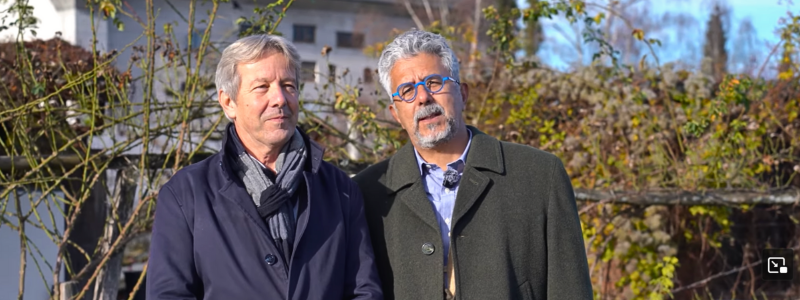
The opening day ends with a contribution by Ueli Hurter, co-leader of the Section for Agriculture. He illuminates the Section’s work as part of the School of Spiritual Science and places the principle of "cooperation out of free will" at the centre—comparable to a farm. In doing so, he addresses our collective responsibility for the development of the Earth and the spiritual significance of this year’s conference theme. The conclusion is the performance of the fourth stanza of Rudolf Steiner’s Foundation Stone Meditation "Turning Point of Time". Find out more on our website!
Warm regards
Your team at the Section for Agriculture
|
|
|
|
|
|
|
PRE-EVENTS AT THE AGRICULTURE CONFERENCE 2026
|
|
|
Pre-conference day for professional meetings with tasting evening
3 February 2026
We warmly invite you to arrive already one day before the conference in order to discuss specific topics, learn from one another and work together on the future.
PROGRAMME PRE-CONFERENCE DAY
The morning programme is aimed especially at advisors, educators and researchers, while an artistic moment is planned for early afternoon, during which you can add something to your methodological toolkit through eurythmy, speech formation or perception exercises.
In the afternoon we offer an open space for specialist groups or other thematic work meetings.
Finally, we
will all come together again in the evening to celebrate biodynamic products with a tasting and a simple dinner. It is also possible to participate in only selected elements.
REGISTRATION OF A WORKING GROUP / SPECIALIST GROUP MEETING:
Do you have a topic you would like to discuss with your colleagues? Take advantage of this peer-learning day,
register yourself and your group HERE, and we will organise the room (registration possible until 21 December 2025).
TASTING EVENING:
Would you like to present your products and bring them for tasting? We are hoping for a wide and colourful range of biodynamic delicacies. Feel free to contact us at: sektion.landwirtschaft@goetheanum.ch
|
|
|
|
|
|
|
Online meeting to prepare for the
Michael Letter
With Eduardo Rincón and Albrecht Römer
17 December 2025, 21 January 2026, 2 pm CET
Together we will explore Rudolf Steiner's Michael Letter ‘The Experiences of Michael in the Course of His Cosmic Mission’, which will be discussed at the upcoming Agriculture Conference 2026. Everyone is
welcome – even those who cannot attend the conference.
|
|
|
|
|
|
|
|
|
|
|
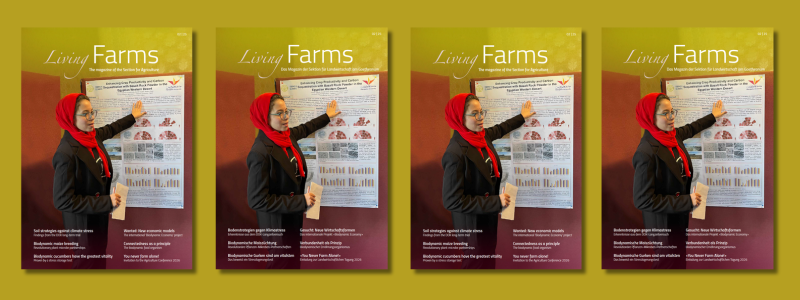
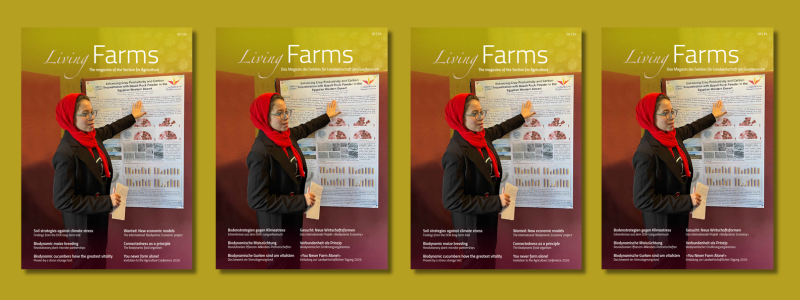
Magazine: The new issue on biodynamic research is here!With contributions on the Third International Biodynamic Research Conference
Would you like to know why the fertility of biodynamic soils increases in the long term? What role the horns of the cow play for its wellbeing and milk quality? Or how plant–microbe partnerships are revolutionising the agriculture of the future?
Then read the new issue of the magazine "Living Farms"!
Most contributions relate to the third international biodynamic research conference, which took
place in early September 2025 at the Royal Agricultural University in Cirencester, Great Britain. They reflect the diversity of research methods and approaches that make biodynamic research so unique.
|
|
|
|
|
|
|
Podcast: #27 "Gestures" of Nature
With Eduardo Rincón and Liron Israely
Get to know Liron Israely: biodynamic consultant, trainer, researcher—and a true world citizen who lives and works in Israel. His very own experiences in biodynamic agriculture have led him into a deep conversation with the elements. In doing so he has discovered their special "gestures"—subtle forms of expression that can help you in your agricultural work. In dialogue with co-section leader Eduardo Rincón, you will learn how you can perceive and use these qualities.
The podcast is available on our communication channels (website, YouTube, Instagram, Facebook) as well as on Spotify,
Deezer and Apple Podcast.
|
|
|
|
|
|
|
|
|
|
|
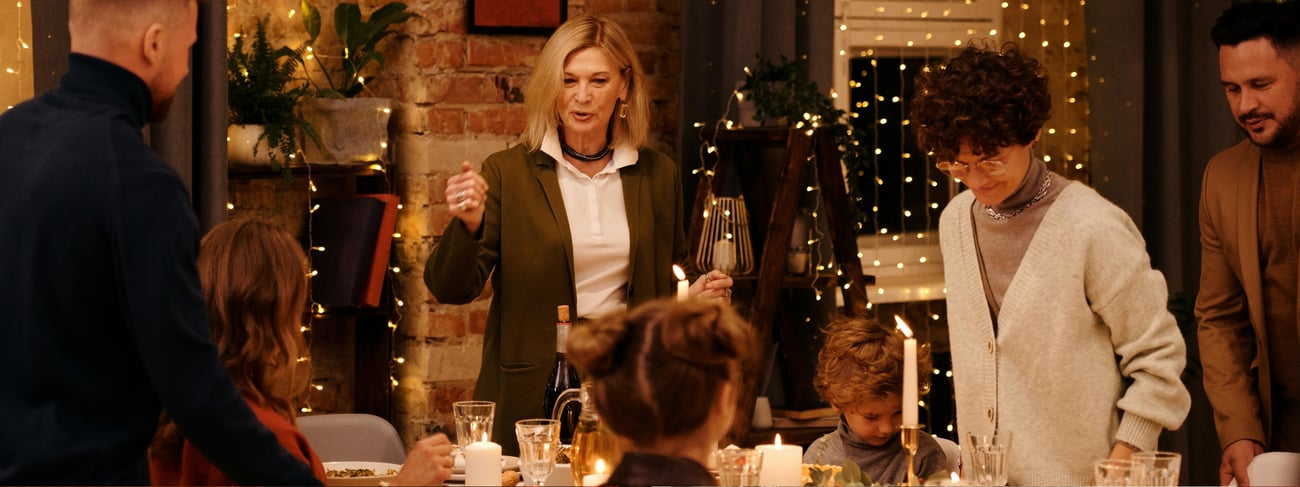
Christmas dinner with the in-laws
New article by Dr. Jasmin Peschke and Lea Knöpfler
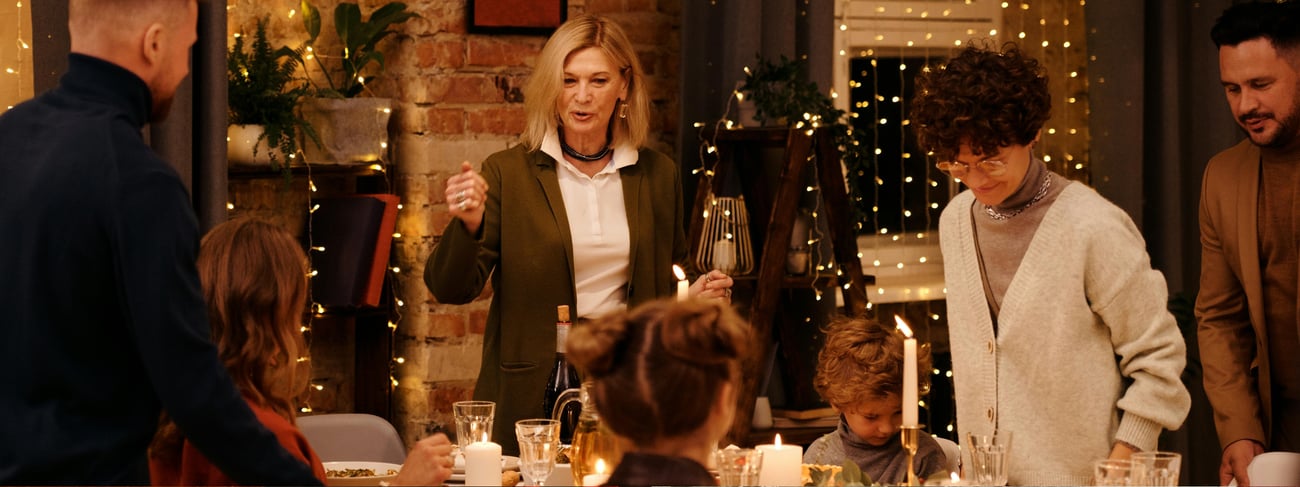
Would you have thought? Christmas dinner with the in-laws influences the gut microbiome. Surprisingly, a research group found that being together with the in-laws is reflected in the gut in the short term—in a way otherwise observed in psychological stress and depressive moods. Thus, alongside food choices, the atmosphere and environment also have a clear influence on the gut microbiome. All the more reason not only to pay attention to the upcoming festive meal, but also to harmonious togetherness—as nourishment for physical and emotional health.
|
|
|
|
|
|
|
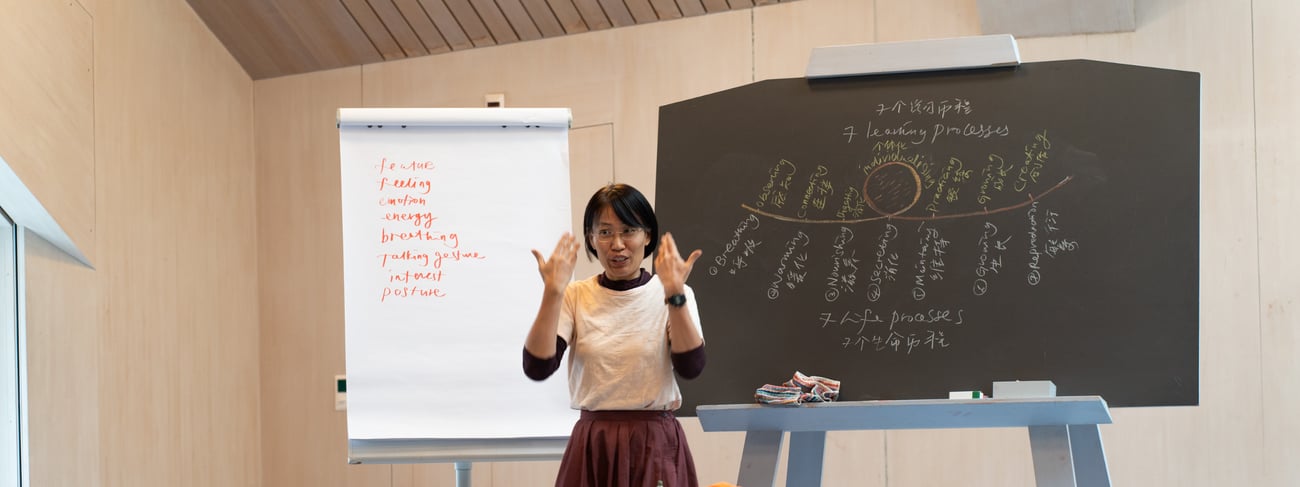
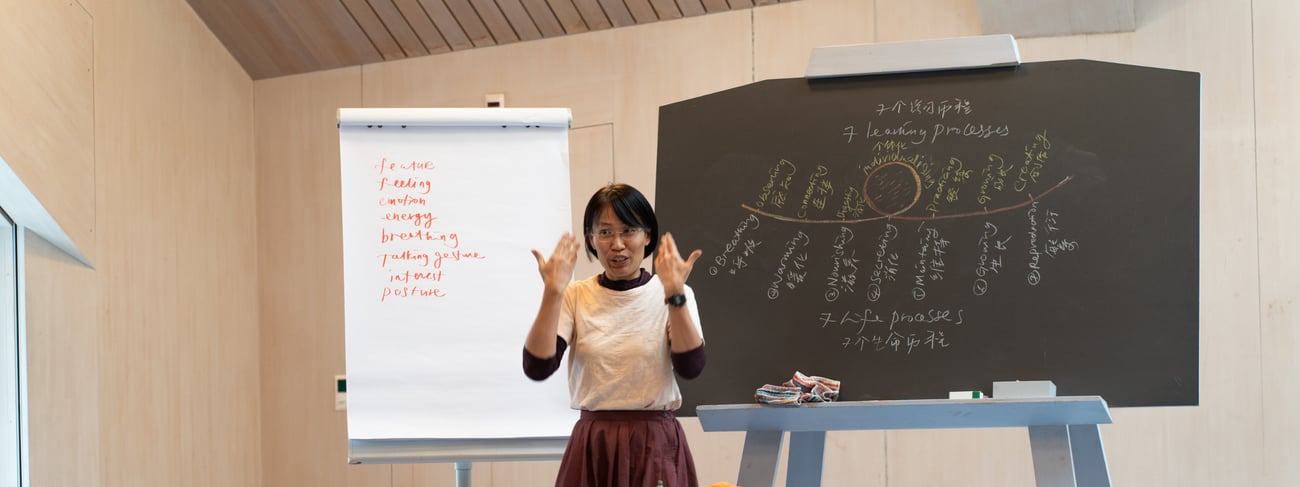
How the land heals, and how our senses are nourished
Contribution on the recent Ruskin Mill conference by
Anna Willoughby
During the Ruskin Mill conference last June on the theme "Food, Land and Nourishment", alongside Dr. Jasmin Peschke, Anna Willoughby also contributed an exciting talk on the relationships to the environment in which we live and the role played by our senses.
|
|
|
|
|
|
|
|
|
|
|
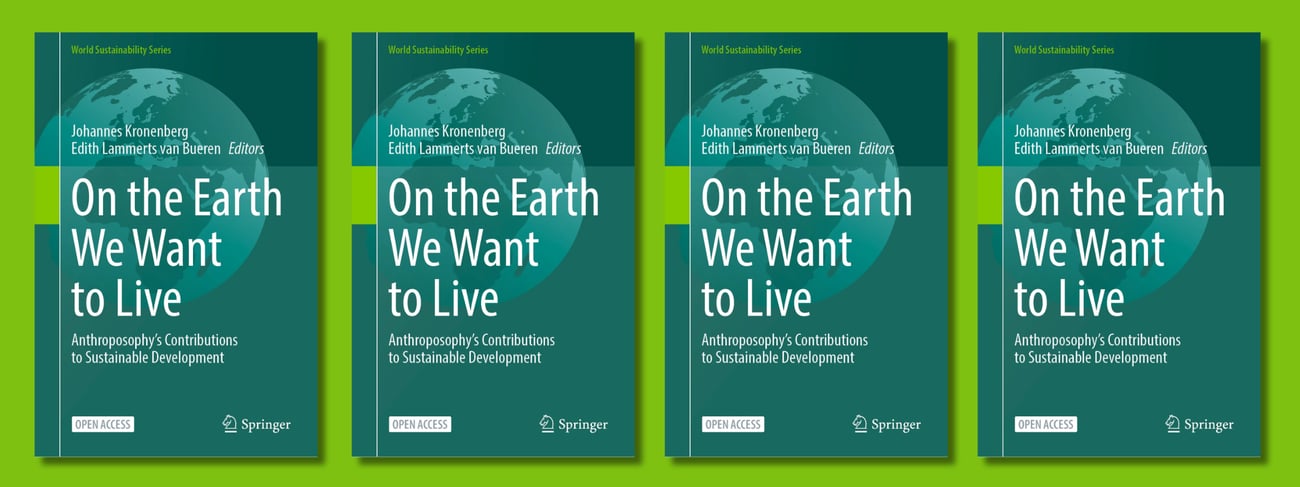
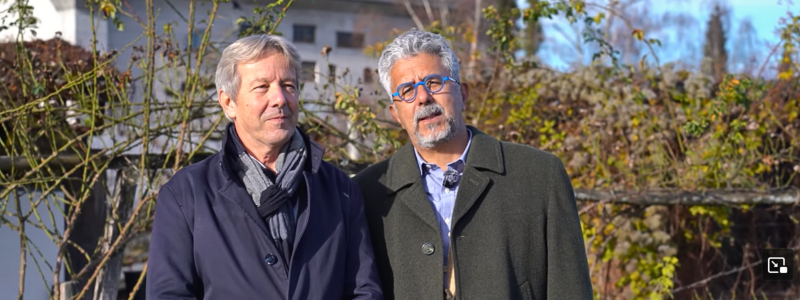
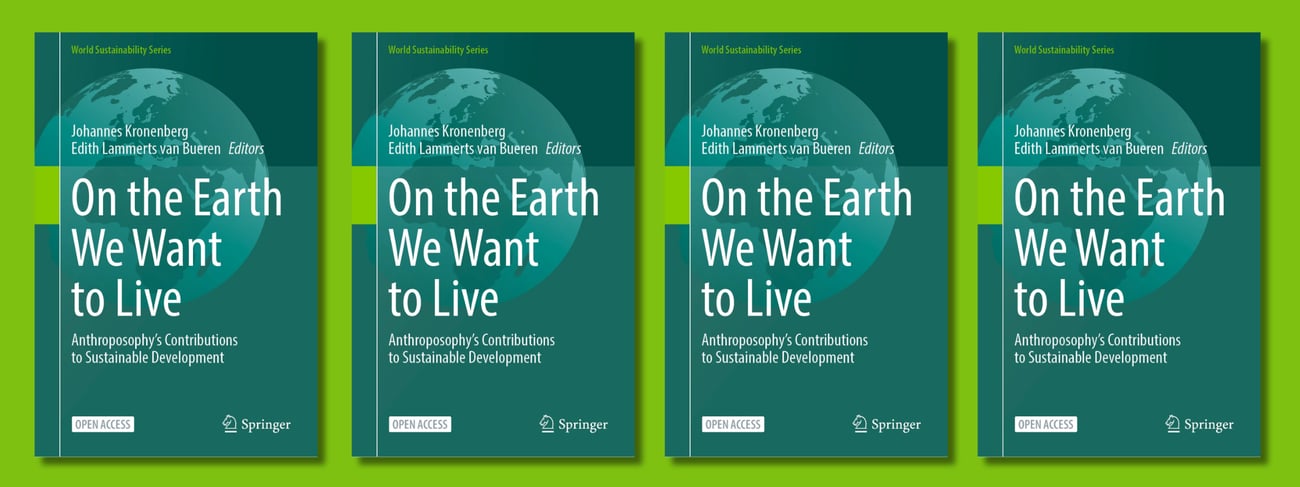
New publication: On the Earth We Want to Live
Book presentation on Goetheanum.tv, 28 January 2026, 3:00 p.m.
Johannes Kronenberg, one of the two editors alongside Edith Lammerts van Bueren, speaks with Andrea de la Cruz about the new book On the Earth We Want to Live, which was recently published by Springer Nature Publishing, one of the world’s largest scientific publishers.
This open-access work examines the contribution of Anthroposophy to sustainable development and thus closes an important research gap. A focus lies on the resilience and impact of pioneering organisations that apply anthroposophical principles in their work. These include multinational companies such as Weleda, banks such as the Freie Gemeinschaftsbank, and manufacturers such as Sonett, Voelkel and Stockmar. The book is a valuable resource for professionals, researchers and students who wish to engage with current contributions to sustainable development.
|
|
|
|
|
|
|
|
|
|
|
Biodynamic research seminar series
Your ideas are welcome
We are currently planning the 2026 online seminar cycle of the International Biodynamic Research Network and would like to warmly invite researchers to contribute. Are you a member of the research network and interested in sharing your current research in the field of biodynamic food and farming with your colleagues? If so, we look forward to hearing from you at: biodynamic.research@goetheanum.chBy contributing, you help to raise awareness of biodynamic research and strengthen our network as a whole. The online seminar dates are: 12 March, 14 May, 10 September, and 12 November 2026. All seminars will take place at 14:00 CET.
|
|
|
|
|
|
|
|
|
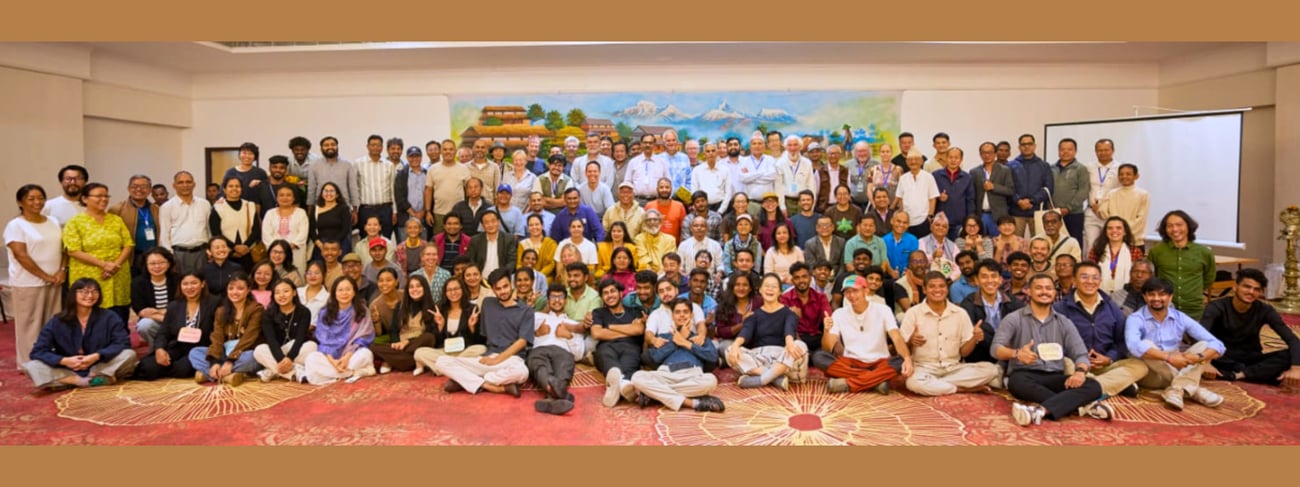
Third Asian Biodynamic Conference and Trainers' Meeting
Report by Paz Bernaschina
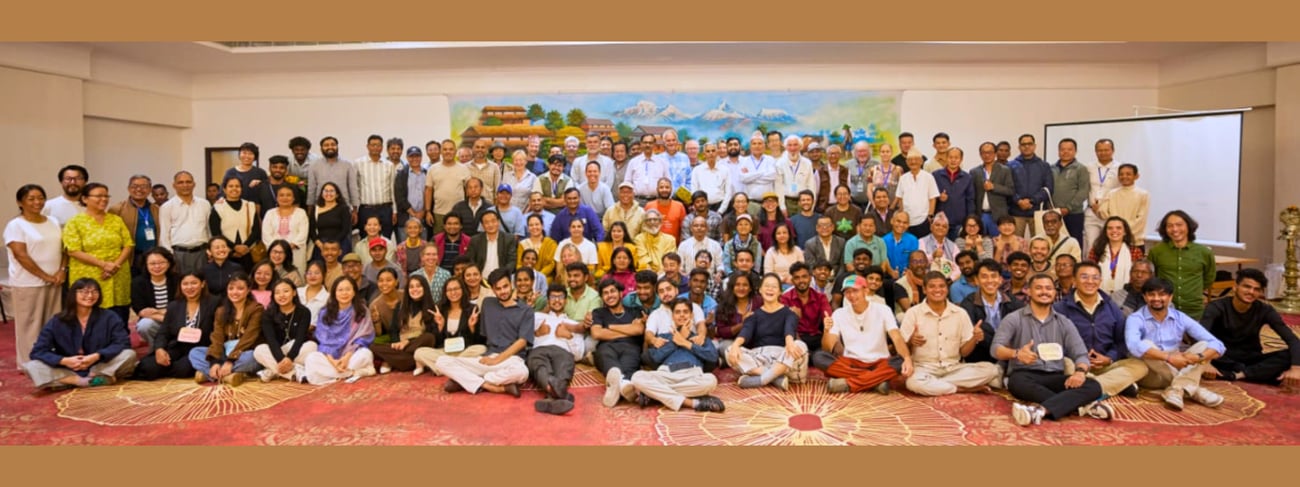
With the support of the Biodynamic Demeter Federation, several regional biodynamic and agricultural organisations, and the Section for Agriculture, the third Asian biodynamic conference on the theme "Healing the Himalayas" took place in November 2025 in Pokhara, Nepal. With almost 200 participants from 20 countries, the conference and the numerous pre-events in various regions of Nepal offered the Asian biodynamic community a unique opportunity to meet, connect and learn together.
|
|
|
|
|
|
|
Upcoming events at a glance
|
|
|
|
|
|
|
|
|
|
|
Liebe Freund:innen
In nur zwei Monaten startet die Landwirtschaftliche Tagung vom 4. bis 7. Februar 2026 unter dem Titel «You Never Farm Alone. Lebendige Gemeinschaften für die Zukunft»! Zeit, die Anreise zu organisieren und sich ein Ticket zu sichern. Wir freuen uns auf euch!
Hier geben wir euch einen kurzen Einblick in die Beiträge des Eröffnungstages am Mittwoch, 4. Februar 2026:
Agri-Kultur als Grundlage der Gemeinschaft, 15 Uhr: Zur Eröffnung der Landwirtschaftlichen Tagung 2025 zeigen Maria Esther Nieto (Mexiko), Anna Jones-Crabtree (USA)
sowie Clemens Voigts und Charlene Paridzai Makondora (Namibia), wie Landwirtschaft zum Ausgangspunkt lebendiger Gemeinschaften wird. Sie machen sichtbar, wie lokale Bedingungen neue Formen des Zusammenwirkens hervorbringen, in denen Menschen, Landwirtschaft, Landschaft und Kultur eng miteinander verbunden sind.
Das Potenzial von Mensch und Betrieb neu denken, 17 Uhr: Aonghus Gordon und Tara Gratton vom Ruskin Mill Trust (Grossbritannien) zeigen, wie Höfe Impulse für Führung, Organisationskultur und Gemeinschaftsentwicklung geben
können. Aonghus Gordon veranschaulicht, wie biodynamische Praxis Organisationen kulturell, finanziell und rechtlich neu denken lässt, während Tara Gratton erfolgreiche Nachfolgeprozesse fokussiert.
Zusammenarbeit aus freiem Willen, 20 Uhr: Der Eröffnungstag endet mit einem Beitrag von Ueli Hurter, Co-Leiter der Sektion für Landwirtschaft. Er beleuchtet die Arbeit der Sektion als Teil der Freien Hochschule für Geisteswissenschaft und stellt das Prinzip «Zusammenarbeit aus freiem Willen» in den Mittelpunkt – vergleichbar mit
einem Hof. Dabei geht er auf unsere gemeinschaftliche Verantwortung für die Entwicklung der Erde und die spirituelle Bedeutung des diesjährigen Konferenzthemas ein. Den Abschluss bildet die Aufführung der vierten Strophe der Grundsteinmeditation «Zeitenwende» von Rudolf Steiner.
Erfahrt mehr auf unserer Webseite!
Herzlich grüsst euch
euer Team der Sektion für Landwirtschaft
|
|
|
|
|
|
|
VORVERANSTALTUNGEN ZUR TAGUNG 2026
|
|
|
Vorkonferenztag für Fachtreffen mit Degustationsabend
3. Februar 2026
Wir laden euch herzlich ein, bereits einen Tag vor der Tagung anzureisen, um spezifische Themen zu diskutieren, voneinander zu lernen und gemeinsam an der Zukunft zu arbeiten.
PROGRAMM VORKONFERENZTAG (IN ENGLISCH)
Das Vormittagsprogramm richtet sich speziell an Beratende, Ausbildende und Forschende, während am frühen Nachmittag ein künstlerischer Moment geplant ist, bei welchem ihr mit Eurythmie-, Sprachgestaltungs- oder Wahrnehmungsübungen etwas in eure Methodenkoffer packen könnt.
Am Nachmittag bieten wir einen offenen Raum für Fachgruppen oder andere thematische Arbeitstreffen. Schliesslich kommen wir am Abend alle wieder zusammen, um bei einer Verkostung und einem einfachen Abendessen biodynamische Produkte zu feiern. Eine Teilnahme ist auch für einzelne Elemente möglich.
ANMELDUNG EINER ARBEITSGRUPPE/EINES FACHGRUPPENTREFFENS: Habt ihr ein Thema, das ihr mit euren Kolleg:innen diskutieren möchtet? Profitiert von diesem Peer-Learning-Tag, meldet euch und eure Gruppe HIER an, und wir organisieren den Raum (Anmeldung möglich bis 21. Dezember 2025).
DEGUSTATIONSABEND: Möchtet ihr eure Produkte präsentieren und zur Verkostung mitbringen? Wir hoffen auf eine breite und bunte Palette an biodynamischen Köstlichkeiten. Kontaktiert uns gerne unter: sektion.landwirtschaft@goetheanum.ch
|
|
|
|
|
|
|
| Onlinetreffen zur Vorbereitung des Michaelbriefs
Mit Eduardo Rincón und Albrecht Römer
17. Dezember 2025, 21. Januar 2026, 14:00 Uhr CET
Gemeinsam werden wir Rudolf Steiners Michaelbrief «Michaels Erfahrungen und Erlebnisse während der Erfüllung seiner kosmischen Mission», der bei der kommenden Landwirtschaftlichen Tagung behandelt wird, erkunden. Alle sind herzlich willkommen – auch diejenigen, die bei der Tagung nicht
dabei sein können.
|
|
|
|
|
|
|
|
|
|
|
Magazin: Die neue Ausgabe zur biodynamischen Forschung ist da!
Mit Beiträge zur dritten internationalen biodynamischen Forschungstagung
Möchten ihr wissen, warum die Fruchtbarkeit biodynamischer Böden
langfristig zunimmt? Welche Rolle die Hörner der Kuh für ihr Wohlbefinden und die Milchqualität spielen? Oder wie Pflanzen-Mikroben-Partnerschaften den Ackerbau der Zukunft revolutionieren?
Dann lest die neue Ausgabe des Magazins «Living Farms»!
Die Mehrheit der Beiträge bezieht sich auf die dritte internationale biodynamische Forschungstagung, die Anfang September 2025 an der Royal Agricultural University in Cirencester, Grossbritannien, stattfand. Sie widerspiegeln die Vielfalt an Forschungsmethoden und Zugängen, die die biodynamische Forschung so einzigartig machen.
|
|
|
|
|
|
|
Podcast: #27 «Gesten» der Natur
Mit Eduardo Rincón und Liron Israely
Lernt Liron Israely kennen: biodynamischer Berater, Ausbilder, Forscher – und ein wahrer Weltbürger, der in Israel lebt und arbeitet. Seine ganz eigenen Erfahrungen in der biodynamischen
Landwirtschaft haben ihn in ein tiefes Gespräch mit den Elementen geführt. Dabei hat er ihre besonderen «Gesten» entdeckt – feine Ausdrucksformen, die euch bei eurer landwirtschaftlichen Tätigkeit helfen können. Im Dialog mit Co-Sektionsleiter Eduardo Rincón erfahrt ihr, wie ihr diese Qualitäten wahrnehmen und nutzen könnt.
Der Podcast ist auf unseren Kommunikationskanälen (Website, YouTube, Instagram, Facebook) sowie auf Spotify, Deezer und Apple Podcast verfügbar.
|
|
|
|
|
|
|
|
|
|
|
Weihnachtsessen mit den Schwiegereltern
Neuer Artikel von Dr. Jasmin Peschke und Lea Knöpfler
Hättet ihr das gedacht? Das Weihnachtsessen mit den Schwiegereltern beeinflusst das Darmmikrobiom. Überraschenderweise stellte eine Forschungsgruppe fest, dass sich das Zusammensein mit den Schwiegereltern kurzfristig im Darm widerspiegelt – und zwar auf eine Weise, die sonst bei psychischem Stress und depressiven Verstimmungen beobachtet wird. Somit haben neben der Lebensmittelauswahl auch die Atmosphäre und Umgebung einen deutlichen Einfluss auf das Darmmikrobiom. Ein Grund mehr, nicht nur auf das anstehende Festmahl zu achten, sondern auch auf ein harmonisches Miteinander
– als Pflege für die körperliche und seelische Gesundheit.
|
|
|
|
|
|
|
Wie die Umgebung heilt und unsere Sinne genährt werden
Beitrag zur vergangenen Ruskin-Mill-Konferenz von Anna Willoughby
Während der Ruskin-Mill-Konferenz im vergangenen Juni zum Thema «Food, Land and Nourishment» gab neben Dr. Jasmin Peschke auch Anna Willoughby einen spannenden Beitrag über die Beziehungen zur Umgebung, in der wir leben, und welche Rolle dabei die Sinne spielen.
|
|
|
|
|
|
|
|
|
|
|
Neue Publikation: On the Earth We Want to Live
Buchbesprechung bei Goetheanum.tv, 28. Januar 2026, 15:00 Uhr
Johannes Kronenberg, einer der beiden Herausgeber neben Edith Lammerts van Bueren, spricht mit Andrea de la Cruz über sein neues Buch «On the Earth We Want to Live» (Auf der Erde wollen wir leben), das kürzlich bei Springer Nature Publishing, einem der grössten wissenschaftlichen Verlage, erschienen ist.
Dieses frei zugängliche Werk untersucht den Beitrag der Anthroposophie zur nachhaltigen Entwicklung und schliesst damit eine wichtige Forschungslücke. Ein Schwerpunkt liegt auf der Widerstandsfähigkeit und Wirkung wegweisender Organisationen, die in ihrer Arbeit anthroposophische Prinzipien anwenden. Dazu gehören multinationale Unternehmen wie Weleda, Banken wie die Freie
Gemeinschaftsbank und Hersteller wie Sonett, Voelkel und Stockmar.
Das Buch ist eine wertvolle Quelle für Fachleute, Forschende und Studierenden, die sich mit aktuellen Beiträgen zur nachhaltigen Entwicklung befassen möchten.
|
|
|
|
|
|
|
|
|
|
|
Online-Seminar-Zyklus zur biodynamischen Forschung
Eure Ideen sind gefragt
Wir planen derzeit den Online-Seminar-Zyklus 2026 des internationalen biodynamischen Forschungsnetzwerks und möchten Forschende herzlich einladen, daran mitzuwirken. Seid ihr Mitglieder des Forschungsnetzwerks und möchtet eure aktuellen Forschungen im Bereich biodynamische Ernährung und Landwirtschaft mit euren Kolleg:innen teilen? Wir freuen uns über eure Nachricht an: biodynamic.research@goetheanum.ch
So tragt ihr dazu bei,
das Bewusstsein für die biodynamische Forschung zu stärken und unser Netzwerk insgesamt zu festigen.
Die Termine für die Online-Seminare sind: 12. März, 14. Mai, 10. September und 12. November 2026. Alle Seminare finden jeweils um 14:00 Uhr CET statt.
|
|
|
|
|
|
|
|
|
| Dritte asiatische biodynamische Konferenz und Ausbilungstreffen
Ein Rückblick von Maria Paz Bernaschina
Mit Unterstützung der Biodynamic Demeter Federation, mehrerer regionaler biodynamischer und landwirtschaftlicher Organisationen und der Sektion für Landwirtschaft fand im November 2025 in Pokhara, Nepal, die dritte asiatische Biodynamik-Konferenz zum Thema «Heilung des Himalayas» statt. Mit fast 200 Teilnehmenden aus 20 Ländern boten die Konferenz und die zahlreichen Vorveranstaltungen in verschiedenen Regionen Nepals der
asiatischen biodynamischen Gemeinschaft eine einzigartige Gelegenheit, sich zu vernetzen und gemeinsam zu lernen.
|
|
|
|
|
|
|
Bevorstehende Veranstaltungen auf einen Blick
|
|
|
|
|
|
|
|
|
|
|
|
|